
-
Why I Sit on the Quality Side of the Table
-
Direct Dials: Volume Isn't a Quality Strategy
-
nooks Cadences Need a Quality Gate, Not Just a Sequence
-
LinkedIn Automation: The Fastest Way to Look Spammy
-
How AI SDR Features Fit Into an Agent-Native Prospecting Workflow
-
The 'But Speed Matters' Objection
-
Bottom Line
I'm the person who reviews nooks cadences and AI SDR outputs before they go live. That's roughly 200 unique items a year. Maybe 180, I'd have to check the system. I rejected 14% of first deliverables in 2024—mostly due to personalization gaps, generic language, and broken fallback steps. Not because the team has bad taste. Because what a prospect sees in the first few seconds is your brand.
Here's my opinion: Agent-native prospecting is only as good as the quality gate you put around it. The AI can call, email, and connect on LinkedIn. If any of that output looks sloppy, it doesn't matter how many dials you made. You've trained the buyer to ignore you.
Why I Sit on the Quality Side of the Table
I didn't always believe this. When I started in sales ops, I thought quality review was for manufacturing, not for cold emails. Then an internal release in Q1 2024 changed my view. A cadence went out to 300 leads with a broken personalization token. The fallback line literally said 'Hi {{first_name}}.' We were using the same words but meaning different things. We said 'human in the loop.' The system had been configured to ask for a single approval at the end. Nobody predicted a token would fail.
We rejected the batch, fixed the template, and added a test-send step to every workflow. That cost us a 300-contact batch and an afternoon of emergency fixes. After that, I stopped thinking of quality control as overhead.
Direct Dials: Volume Isn't a Quality Strategy
nooks' parallel dialer is a volume machine. It gets reps into more conversations per hour. But the dialer doesn't control what happens after someone picks up.
If the talk track hasn't been reviewed, a rep can burn a qualified call in under a minute. I've heard recordings where the rep sounded like they were reading a script for the first time—because they were. The AI had generated it, and nobody had read it out loud. Parallel dialing gives you more chances, but every chance is still a conversation with a human. If the human can't quickly tell why you're calling, you've lost that chance.
Quality rule: every direct dial workflow needs a call script review and a real test call before it gets used. Call it a pilot. Call it a dry run. Just don't skip it.
nooks Cadences Need a Quality Gate, Not Just a Sequence
nooks cadences combine phone, cold email, and LinkedIn touches. The point isn't to have more steps. It's to make every step feel like a human wrote it for this specific prospect. That's hard to do at scale. It's even harder if the AI SDR designs the cadence and the cadence runs without review.
The biggest failure I see is sequences that look reasonable in a dashboard but feel generic in an inbox. 'Hi, I noticed you work at [company]' is not personalization. That's a placeholder with a company name inserted.
Put another way: if the buyer can tell it's an AI sequence, the sequence is doing the opposite of its job. The nooks AI sales assistant can draft a cadence quickly. But I still review the tone, the spacing, and the exit before it ships. A good cadence also knows when to stop. If a prospect hasn't replied after five touches, sending another three is not persistence. It's bad quality.
LinkedIn Automation: The Fastest Way to Look Spammy
LinkedIn automation platform features are powerful. They can send connection requests, profile visits, and follow-ups. But LinkedIn is also the place where trust is easiest to lose.
As of the October 2023 version of LinkedIn's User Agreement, automated activity and scraping are restricted. But even beyond compliance, there's a brand problem. When a connection request has a generic note, it tells the prospect: 'You are a row in a spreadsheet.'
If you've ever received a connection request that says 'I'm impressed by your experience' from someone who clearly never looked at your profile, you know what I mean. Good LinkedIn automation, in an agent-native workflow, should feel like a thoughtful outreach from a real person. That means the agent researches, drafts, and proposes. A human reviews the why behind the message—not just the grammar.
How AI SDR Features Fit Into an Agent-Native Prospecting Workflow
People ask how nooks' AI SDR features fit into an agent-native prospecting workflow. Here's the mental model I use: the AI SDR is a junior rep, not a launch-and-forget bot.
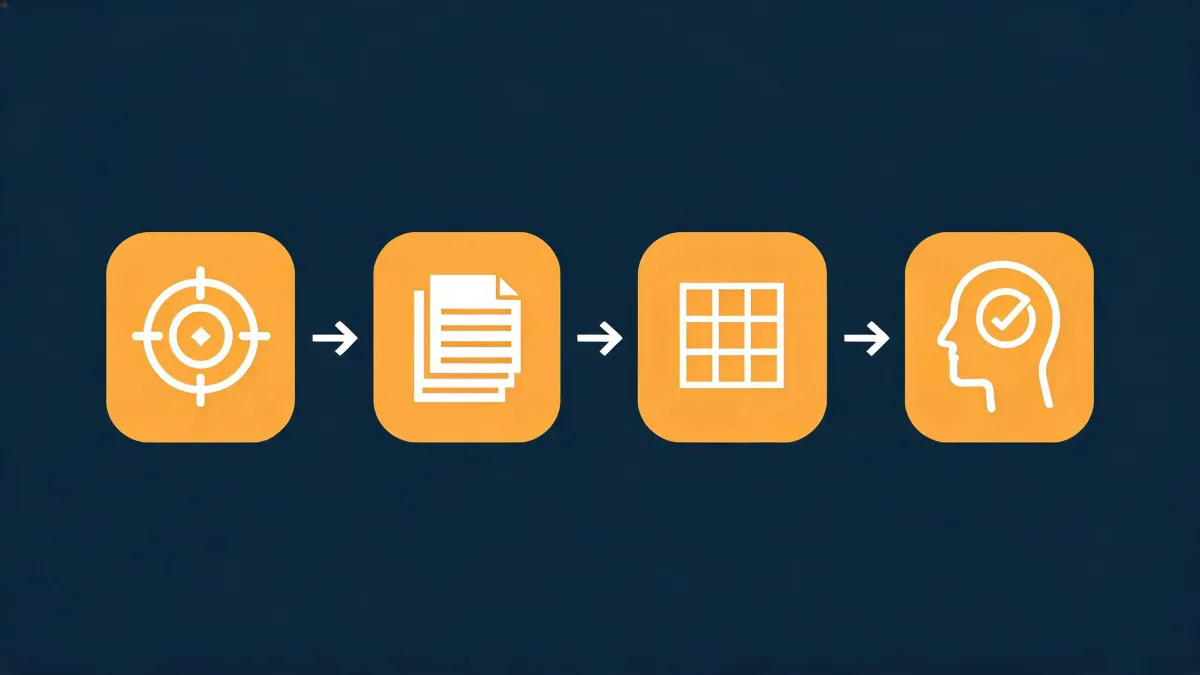
A junior rep can research, draft, send, follow up, and book a meeting. But no good sales manager would let a junior rep send 1,000 emails without a review. Agent-native means the agent does the work, and the workflow still has checks:
- Research and enrichment. The agent pulls data and intent signals. A human verifies the account list and titles before the first touch.
- Drafting. The agent writes the message. A human reviews for tone, personalization, and anything that would sound robotic.
- Sending and follow-up. The agent executes and handles replies. Exception handling matters: if a reply says 'not interested,' the agent should stop, not send another sequence.
Data enrichment and intent data make this possible. But if the data is wrong, the agent sends 'Hi Jessica' to a Robert. That's a quality failure, not a technology failure. The agent-native workflow only works when the data feeding the agent is clean.
The 'But Speed Matters' Objection
You might say outbound is a numbers game. Better to send 100 decent touches than 10 perfect ones.
I get it. I used to think that. Then I ignored the human-in-the-loop advice and let an automation run on its own. It flopped. Not because the tool was bad, but because no one was watching. The cost wasn't just the lost afternoon. It was the contacts we burned and the unsubscribes we earned.
The upside of more automation was speed. The risk was a weak first impression. I kept asking myself: is speed worth looking sloppy? My answer changed.
Why does this matter? Because the buyer doesn't experience the system. They experience the message. A 1% error rate at 500 touches a day is five broken messages a day. At 5,000 touches, it's fifty. That's how you build a reputation for noise. The question isn't 'how many tasks did the agent complete?' It's 'how many of those tasks made the brand look better?'
Bottom Line
Quality is not the enemy of speed. It's the thing that makes speed valuable.
Speed, personalization, and—critically—quality control. You can get two out of three in the first version. The third one needs a review step. A parallel dialer, a well-built cadence, and a LinkedIn automation platform all help you move faster. But if the output isn't reviewed, you're just scaling bad first impressions.
I reject work because one bad send can undo a hundred good ones. The extra ten minutes reviewing a cadence is worth it if it saves one embarrassing send. That's not perfectionism. That's brand protection.