
-
The short answer: Okki Go is a workflow layer, not a magic inbox button
-
Why I can speak to this without selling you a fairy tale
- What Okki Go AI BDR changes, and what it does not
-
What is a data enrichment API, and when should a B2B sales team use it?
-
The boundary conditions: when Okki Go is not the right call
The short answer: Okki Go is a workflow layer, not a magic inbox button
If you are evaluating okki-go for outbound, the decision is not about finding the largest contact list. It is about whether you can combine an Okki Go AI BDR with clean enrichment, direct dials, and human-in-the-loop outreach without wrecking email deliverability. In my experience running urgent pipeline recovery, the teams that win treat a data enrichment API as infrastructure, not a one-off list pull. When a B2B sales team should use a data enrichment API: when your CRM is missing firmographics, technographics, or contact details for a defined segment, and you need that data to flow into sequencing automatically.
Why I can speak to this without selling you a fairy tale
I run outbound operations at a B2B software company. I have rebuilt 40+ rushed prospecting sequences in the last six years, including same-week pipeline pushes for enterprise sales teams. In March 2024, 36 hours before a quarterly pipeline review, our SDR team lost access to a legacy contact database. We had 1,100 target accounts and no verified direct dials for half of them. The normal fix would have taken two weeks. We used an enrichment API plus waterfall enrichment and a human review step, paid extra for premium mobile coverage where available (on top of our base data costs), and delivered a workable call list in 18 hours. It was not perfect. About a third of the direct dials still bounced, and we flagged them for manual review rather than pretending they were clean.
What Okki Go AI BDR changes, and what it does not
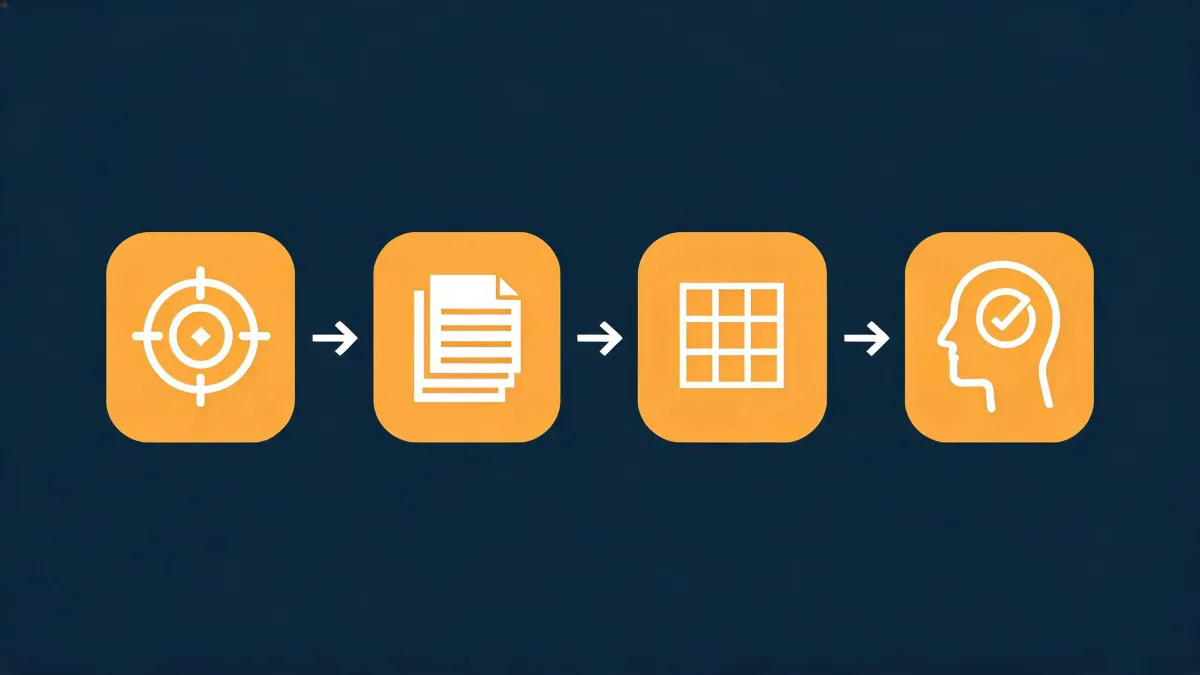
Okki Go positions itself as an agent-native prospecting system. The useful part of an Okki Go AI BDR is not that it writes clever emails. It is that it can trigger research, enrichment, and sequencing from a single workflow. You define an ideal customer profile. The agent finds matching accounts, pulls available contact data, and drafts outreach. A human then reviews the message, checks the context, and decides whether to send.
That last part is Okki Go human-in-the-loop outreach. I have tested fully automated sequences. They can work for low-stakes newsletters or event invites. For B2B sales where a wrong personalization line can kill a six-figure deal, they are a liability. Basically, the AI handles the repetitive 80 percent: research, deduplication, CRM updates. Your reps handle judgment.
Direct dials are a coverage problem, not a truth problem
Direct dials are mobile or direct office numbers that bypass gatekeepers. They are useful for urgent follow-up, event coordination, and breaking into accounts where email is ignored. But here is the uncomfortable part: direct dial data decays. People change roles. Companies switch phone systems. A number that worked in January may be dead by June.
I used to assume a bigger database meant better direct dials. That was wrong. Coverage matters more than raw volume. A smaller waterfall of multiple sources, each checked against your CRM and recent activity, beats one giant stale list. This is where an enrichment API helps. It lets you query multiple providers in a set order, fill gaps, and write the best available number back to the record. It does not make every number accurate. No tool can promise that. It just reduces the number of holes your reps have to fill manually.
Email deliverability is a reputation system, not a checkbox
Email deliverability is whether your messages reach the inbox instead of spam or the promotions tab. It depends on domain reputation, authentication (SPF, DKIM, DMARC), sending volume, list quality, engagement, and content. Okki Go can help you sequence outreach, but it cannot guarantee inbox placement. Anyone who says otherwise is selling you a story.
What I watch: bounce rate under 2 to 3 percent, spam complaint rate under 0.1 percent, and replies that are not just automatic out-of-office. If those slip, I pause the sequence and clean the list. Direct dials and email verification are not competing channels. They are both hygiene. If your email data is bad, more volume makes deliverability worse. If your direct dials are bad, more calls waste your best reps' time.
What is a data enrichment API, and when should a B2B sales team use it?
A data enrichment API is a programmatic way to append missing information to a record. You send a company domain or contact email to an endpoint. It returns fields like industry, employee count, revenue range, tech stack, job title, LinkedIn URL, and sometimes direct dials. A waterfall enrichment setup queries several providers in sequence and keeps the first valid result, or combines results, so you are not locked into one source.
What was best practice in 2020 may not apply in 2025. The fundamentals of outbound have not changed: target the right account, say something relevant, follow up. But the execution has moved from static lists to API-driven enrichment and agent-native workflows. That shift is why Okki Go-style systems are showing up in RevOps conversations.
Use it when:
- You have a defined target account list but your CRM is missing key fields for routing or personalization.
- You need to keep data fresh as people change jobs or companies change tech stacks.
- You want to enrich inbound leads automatically before an SDR touches them.
- You are building an AI BDR workflow and need structured data, not a CSV someone uploaded last quarter.
Do not use it when:
- You have no clear ICP and are just hoping more data will reveal it.
- You need real-time, guaranteed mobile numbers for compliance-sensitive outreach. Check local laws first.
- Your team will not act on the data. Enrichment without workflow is just an expensive database.
I learned this the hard way. In 2022, we bought a large contact package for a product launch. The data looked great in the dashboard. Then we loaded it into our sequencer and saw a 14 percent bounce rate in the first two days. That was a red flag. We burned a sending domain and had to pause for three weeks. The cheaper per-record price cost us far more in lost pipeline than a waterfall enrichment setup would have (unfortunately).
The boundary conditions: when Okki Go is not the right call
Okki Go works best for teams that already know who they want to reach, have a repeatable outbound motion, and can review AI-assisted messages before they go out. It is less useful if you are still figuring out product-market fit or if your sales process depends on heavy in-person relationship building with no digital touchpoints.
It also will not replace your SDRs or RevOps team. It can remove manual research and data entry. It cannot replace judgment, relationship context, or the uncomfortable work of listening to calls and improving the pitch. If your leadership expects an AI BDR to fix a broken offer, no enrichment API or direct dial list will save that.
I should add one more caveat: this is based on my experience through Q1 2025. Data coverage, pricing, and compliance rules change fast. Verify current vendor coverage for your region and industry before you commit. And run a small pilot with your own domains and your own ICP, not someone else's benchmark. Bottom line: use Okki Go to make good outbound faster and cleaner. Do not use it to avoid the hard parts.