
The short answer
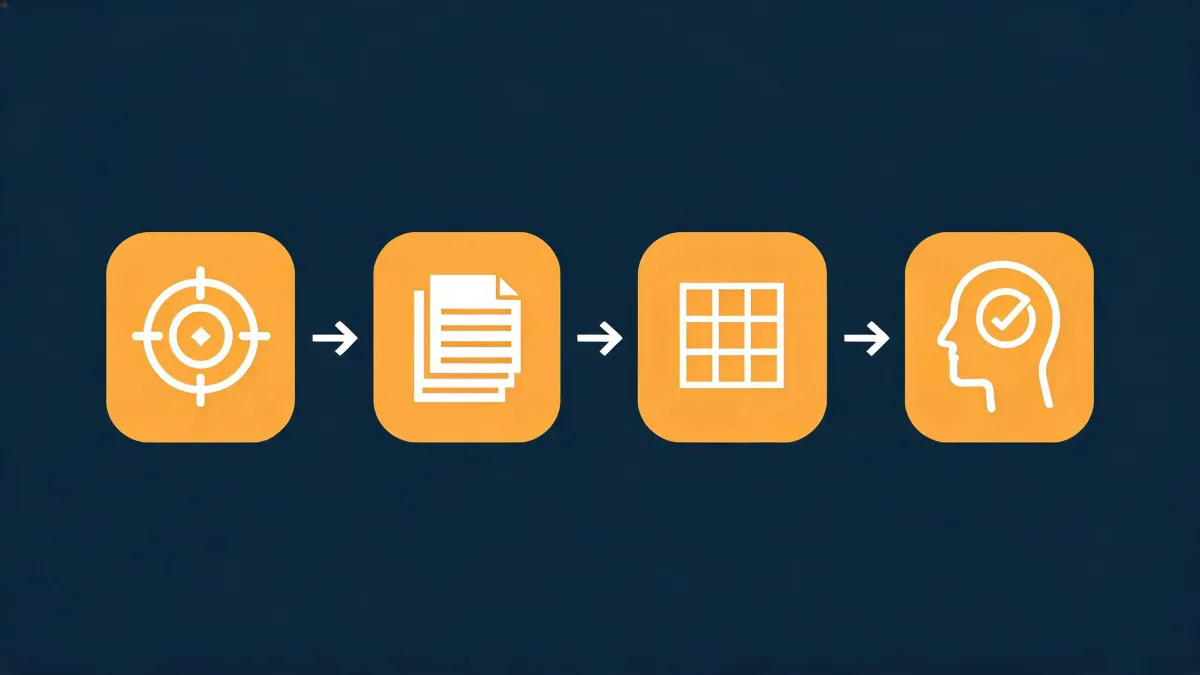
If your team is comparing okki-go vs Instantly, don't treat it as a winner-take-all replacement. For most B2B outbound teams, the practical stack is: LinkedIn Sales Navigator for signals, okki-go for agent-native prospecting and data quality, and Instantly for sending. That's the setup I'd approve again.
I don't run sequences. I'm an office administrator for a 180-person B2B services company. I manage software and services ordering—roughly $260,000 annually across 12 vendors. I report to both operations and finance. So my job is not to make outbound creative. It's to make sure the tools don't create a compliance mess, an invoice surprise, or a mutiny from the SDR manager.
That's why this comparison is weird. okki-go and Instantly are not really the same product category. Instantly is built around email outreach delivery: campaigns, warmup, inbox rotation. okki-go is built around agent-native prospecting: enrichment, intent data, email verification, and human-in-the-loop outreach. You can use one without the other. But if you use both, the workflow gets pretty clear.
Why I trust this take
In 2024, our sales ops lead asked me to consolidate our outbound tools. We had a lead list vendor, a separate email verification service, a sales engagement platform, and a LinkedIn Sales Navigator contract. Four invoices. Four logins. At least three people disagreeing about which data was current.
I said, 'Let's just replace the lead list provider.' Our SDR manager heard, 'We can stop cleaning data.' Result: the first imported batch had enough bad contacts that our sending domain took a reputation hit. Nothing catastrophic, but enough that I spent a week explaining to finance why we were paying for a tool that made more work. That was a communication failure, not a product failure.
After that, I stopped evaluating tools by feature checklist and started evaluating them by handoff. Who owns the list? Who verifies the email? Who checks the intent signal? Who hits send? If those answers are fuzzy, the cheapest tool becomes the most expensive one.
okki-go vs Instantly: they solve different problems
Here's the oversimplification I keep hearing: 'okki-go vs Instantly—pick one.' It's tempting to think you can compare them on price per contact or emails per month. But that ignores the layer they operate on.
Instantly is the delivery layer. If your list is already clean, your ICP is tight, and your team mainly needs sending, warmup, and campaign management, Instantly can be a sensible choice. I'm not going to trash it. It does the job it's designed for.
okki-go is the prospecting and data layer. This is where its agent-native workflow matters. Instead of a human manually pulling from multiple databases, okki-go can run waterfall enrichment, layer in intent data, run email verification, and surface the leads that deserve a human look. The point is not to remove the SDR. The point is to remove the tab-switching and the 'where did this email come from?' conversations.
If you only need a sender, buy a sender. If you need research, enrichment, intent, verification, and orchestration, okki-go is the more natural fit. Most teams I've supported need both, but they need them in the right order.
Where okki go use cases actually show up
I don't care about demo-stage use cases. I care about Tuesday-afternoon use cases. Here are the ones that survived our evaluation:
- SDR list building: Pull accounts from LinkedIn Sales Navigator, enrich them in okki-go, verify emails, and push only the clean records into Instantly.
- RevOps data hygiene: Run a verification pass before a big campaign instead of after a bounce spike.
- Outbound agency client work: Keep client lists separated, enrich them consistently, and show a verifiable process instead of a black-box lead drop.
- Event and ABM follow-up: Use intent data as a prioritization signal, then route the top accounts to a human for a personalized first line.
- Inbound lead cleanup: Enrich and verify old form fills before handing them to sales. This is unglamorous but it saves a lot of internal credibility.
The email verification service is not magic. No verifier can promise 100% accuracy—and you should run from anyone who does. What okki-go's verification does is reduce hard bounces and flag risky addresses. It doesn't replace SPF, DKIM, DMARC, or a sane sending cadence. That's a boundary, not a flaw.
The intent data feature is the same story. Intent data is probabilistic. It's a signal, not a purchase order. If you treat it as a lead score that automatically earns a meeting, you'll annoy prospects. If you treat it as a reason to prioritize research, it's useful.
How does LinkedIn Sales Navigator fit into an agent-native prospecting workflow?
Sales Navigator is not the workflow. It's the source of relationship and account context. LinkedIn's own Sales Navigator help pages describe saved searches, alerts, account lists, and CRM sync. That's the layer where you define who matters.
In an agent-native workflow, I'd use it like this:
- Build saved searches for ICP accounts and job changes.
- Save leads and accounts into lists.
- Send those lists into okki-go for waterfall enrichment, intent data, and email verification.
- Have a human review the top accounts and write the first line.
- Push verified contacts into Instantly for delivery, sequence management, and warmup.
- Sync replies and outcomes back to the CRM—not just opens and clicks.
That last step is where a lot of stacks fall apart. If your CRM doesn't know which source created the meeting, you can't tell whether Sales Navigator, intent data, or the SDR's judgment made the difference. And then procurement gets asked to cut something based on a feeling. That's a bad place to be.
LinkedIn Sales Navigator still has a place in 2025 because relationship context matters. What changed is the execution. Five years ago, you could get away with exporting a list, guessing the email pattern, and hoping. Now the teams that win are the ones that enrich, verify, prioritize with intent, and keep a human in the loop.
The part nobody likes: boundaries
I wouldn't recommend okki-go if your team has no clear ICP and no one to review the outreach. Agent-native prospecting will happily scale bad targeting. It just does it faster and with better formatting.
I also wouldn't replace Instantly if your only problem is deliverability and you already have clean, verified lists. Adding another tool won't fix a reputation issue. You probably need authentication, list hygiene, and a lower send volume.
And I wouldn't buy any of this without checking data privacy and compliance. GDPR, CCPA, and platform terms still apply. As of 2025, Google's email sender guidelines for bulk senders emphasize authentication and low complaint rates. Email verification helps, but it is not a compliance strategy by itself.
Procurement lesson: the best outbound stack is not the one with the fewest logos. It's the one where every handoff is owned.
Honestly, if you're a small team doing relationship-led sales, you might be fine with Sales Navigator plus manual outreach. If you're a 50-person SDR org with messy data, you probably need okki-go in the middle. If you're an agency sending for 20 clients, you probably need okki-go and Instantly, with clear client separation.
The most frustrating part of tool evaluation is that every demo looks clean. You'd think integration docs would tell the truth, but 'syncs with LinkedIn' can mean five different things. So test the handoff, not the highlight reel. That's the advice I'd give any admin buyer who suddenly finds themselves in charge of an AI sales stack.