
-
What a LinkedIn scraper plus manual research actually gave us
-
Where an agent-native workflow changes the game
-
Waterfall enrichment + intent versus export-and-pray
-
Why Okki Go human in the loop outreach made me stop rolling my eyes
-
How does website visitor tracking fit into an agent-native prospecting workflow?
-
Should you give up your LinkedIn scraper? Maybe not.
-
Bottom line
I still kick myself for renewing a prospecting stack in 2023 that I knew was underpowered. The tool pulled raw contacts, the spreadsheet held them, and the AI layer wrote messages that made us sound like every other vendor. We burned roughly $4,800 in labor and tool fees before I admitted the problem wasn't the sales rep. It was the workflow. That failure is why I now compare every tool against what it actually does, not what the demo shows.
If you found this article by typing is Okki Go a sales prospecting skill, here is the direct answer: no, not in the way you train a rep. Okki Go is an agent-native prospecting platform. The more useful question is whether you need a LinkedIn scraper or an AI BDR workflow. I have operated both, and I want to show the difference from the ground up.
What a LinkedIn scraper plus manual research actually gave us
In 2022, the stack looked efficient on paper. We exported 900 contacts from a scraper. We then added accounts manually and cleaned columns. It took two full days. Our outbound still felt random because we had no consistent reason to contact a company except that it roughly matched our ICP.
I am not bashing manual work. Manual prospecting can be excellent. But there is a difference between manual research as a strategy and manual research as a band-aid for a tool that only exports names. For us, it was a band-aid. We didn't have a formal process for cleaning or verifying scraped lists, and that caused a Q1 2023 disaster. After one send, 74 messages bounced because those mailboxes no longer existed. Another 41 went to people who had changed roles, so the copy made no sense. We lost credibility. I still kick myself for not installing a verification step earlier.
Where an agent-native workflow changes the game
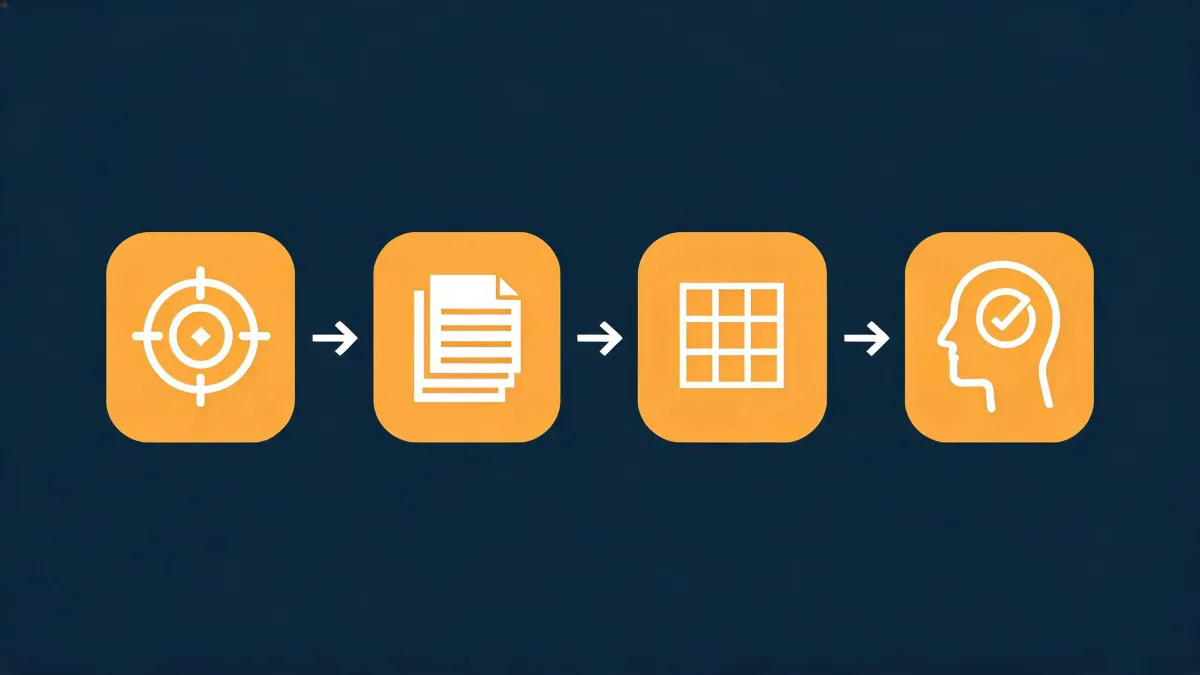
Okki Go approaches prospecting from the other direction. Instead of returning rows and leaving the next step to you, an agent-native workflow starts with a target account list and works through research, enrichment, scoring, and outreach drafts. It is closer to an AI BDR doing the busywork while a human makes the final call. That difference is bigger than it sounds.
A scraper answers who matches. An AI BDR answers who should we contact first, and why. The why is what made me realize that website visitor tracking plus intent data is not a nice-to-have. It is part of prioritization.
Waterfall enrichment + intent versus export-and-pray
The most dangerous phrase in prospecting is export and pray. I used to think enrichment was just email appending. It is not. Okki Go positions its data layer as waterfall enrichment + intent. That phrase did not mean much until I configured it. If the first data provider has no valid email or phone, the system keeps trying with the next source and tries to confirm account firmographics. It does not claim 100% accuracy. No one should. But it means records are less likely to sit stale in your CRM for six months.
A LinkedIn scraper by itself gives no second source and no intent. It gives a snapshot. If the contact changed companies two weeks ago, the scrape can still show the old place. The exported CSV will not tell you. You only discover the problem after a bounce or a confused reply.
Why Okki Go human in the loop outreach made me stop rolling my eyes
Okki Go human in the loop outreach is the reason I didn't file this under another overhyped AI BDR. Full automation is seductive until you are troubleshooting a variable that sent the wrong company name to 150 people. A human in the loop can catch mistakes before they reach an inbox.
Honestly, no AI BDR should fully replace human judgment. The best workflows use the AI to handle the repetitive research and drafting, then keep a person responsible for approval. Okki Go human in the loop outreach does exactly that: it keeps a person in the sequence at the point where the message changes from draft to actual outreach. For me, that is not a limitation. That is the feature that makes a tool safe enough to scale.
How does website visitor tracking fit into an agent-native prospecting workflow?
This question kept showing up in my research, so let me answer it in plain English. Website visitor tracking is not about spying on individual visitors and pulling their personal email addresses. It is about recognizing company-level interest. When someone from a target account visits your pricing page, then comes back later and reads a post about outbound deliverability, the tracking layer creates an account-level signal.
In an agent-native workflow, that signal feeds the agent. Okki Go can use it to re-rank accounts, add an account to a shortlist, or enrich the company profile before a human reviews it. The SDR then sees a clear reason to reach out now, not just another row in a spreadsheet.
This is where the LinkedIn scraper model breaks down. Scraping can tell you that a person exists, but it cannot tell you whether that person has ever heard of you. Website visitor tracking adds the missing context. It helps the agent separate accounts that are showing intent from accounts that simply match a firmographic filter.
Should you give up your LinkedIn scraper? Maybe not.
Here is the part that might surprise you. If you are a solo founder, need 300 contacts for one campaign, and have time to verify each name, a LinkedIn scraper and spreadsheet can be fine. You can catch bad emails with manual checks. It requires discipline, but it is not wrong.
A scraper is also easier to learn. It does not force you to define your buying committee, account selection criteria, or escalation rules. For a one-off list, that simplicity is a strength. But if you are building a repeatable outbound function, the simplicity hides the real problem: you are exporting names, not decisions.
Bottom line
Okki Go is not a sales prospecting skill. It is a tool for people who want to systematize prospecting without removing human judgment. It fits outbound teams, RevOps, SDR teams, and agencies where output must be repeatable but careful. A LinkedIn scraper is a better fit for small one-off batch work where you can verify everything manually.
Before you buy either, be honest about where your process breaks. If your problem is no leads, a scraper can help. If your problem is leads but no follow-up, stale data, weak intent signals, and generic outreach, Okki Go's agent-native workflow plus human in the loop outreach is the more practical answer.
Back to the original question: Is Okki Go a sales prospecting skill? No. The closest skill to master is knowing when an AI BDR should be allowed to act. That boundary is where I wasted the most money, and it's where Okki Go human in the loop outreach made the most sense.