
I'm the quality and brand compliance manager at a B2B SaaS company. I review every sales deliverable before it reaches a prospect—roughly 200 items a year. Maybe 220 in busy Q4s; I'd have to check the tracker. In Q1 2025, I rejected 12% of first deliveries. Not because of grammar. Because the spec was wrong.
That makes me skeptical of any tool that promises to fix outbound sales with more automation. Because many outreach problems are not automation problems. They are verification problems.
The surface problem: flat reply rates no matter how much you dial
Let's start where most teams start. They buy an AI dialer or a sales engagement platform. They upload a list of 5,000 contacts. They set a sequence. They expect more conversations. Instead, reply rates stay flat and connect rates fall as their number gets flagged.
Agency owners compare calling tools with a kind of spreadsheet desperation. Aircall vs Nooks for agencies is a question that comes up constantly. The usual comparison is per-seat cost, parallel dialing capacity, and integration marketplace. Those are real questions. They are also the wrong first question.
When I first started reviewing outreach, I assumed the biggest failures were weak copy. I would edit, rewrite, send it back. Three months of call reviews and a couple of rejected data batches later, I realized I had the wrong villain. The copy was fine. The contact records were stale, the leads had no buying intent, and the sequence treated everyone like a cold front door.
The deeper problem: automation multiplies mistakes
Here is the uncomfortable part: a powerful tool will not fix a broken input. It will just produce more of it, faster.
A company data API is only useful if the workflow actually checks the data before sending. An AI sales assistant can summarize a lead's LinkedIn activity, write a personalized intro, and dial a parallel line. But if the person changed jobs two weeks ago, the assistant is helping you send a perfectly worded message to the wrong person.
I ran a test with our SDRs last year: same email template, two equal segments. Segment A used a list that had been verified through a data enrichment step. Segment B used the raw CRM export. The template was identical. The only variable was verification. I don't want to give exact percentages because the sample was small, but the difference was enough to make the team adopt a checklist. The 12-point checklist I created after that test has saved us an estimated $8,000 in potential rework.
To be fair, Aircall is a solid phone layer. It routes calls, records conversations, integrates with CRMs. I get why agency owners compare it with Nooks. But the categories are different. Aircall is a telecom connection. Nooks is closer to an AI sales assistant that happens to have a parallel dialer, with data and intent built into the workflow. If your list is clean, either tool can work. If your list is dirty, the better dialer just makes the failure faster.
I went back and forth on recommending a pure dialer versus an AI sales assistant for our own team. The dialer was cheaper; the AI assistant had verification built in. On paper, the dialer made financial sense. But my gut said we would lose too much control without a human-in-the-loop review step. Ultimately, I chose the workflow that catches errors before a rep makes them.
What this problem actually costs
The cost isn't missed meetings. It's the quiet damage: wasted hours, burned sender reputation, higher list decay, and a distorted pipeline.
In Q1 2024, I rejected an imported batch of 1,800 leads because 37% of the domains bounced during verification. A sales director said the data was good enough and the sequence was already built. We held the batch. If we had sent that drip campaign, we would have spent a week cleaning hard bounces and explaining why the deliverability dashboard looked like a heartbeat monitor. Instead, we spent an afternoon routing the list through a data vendor and a morning building a new import check.
Five minutes of verification beats five days of correction. Put another way: prevention is the same work as cleanup, but you get to do it once.
The short solution: verify first, then automate
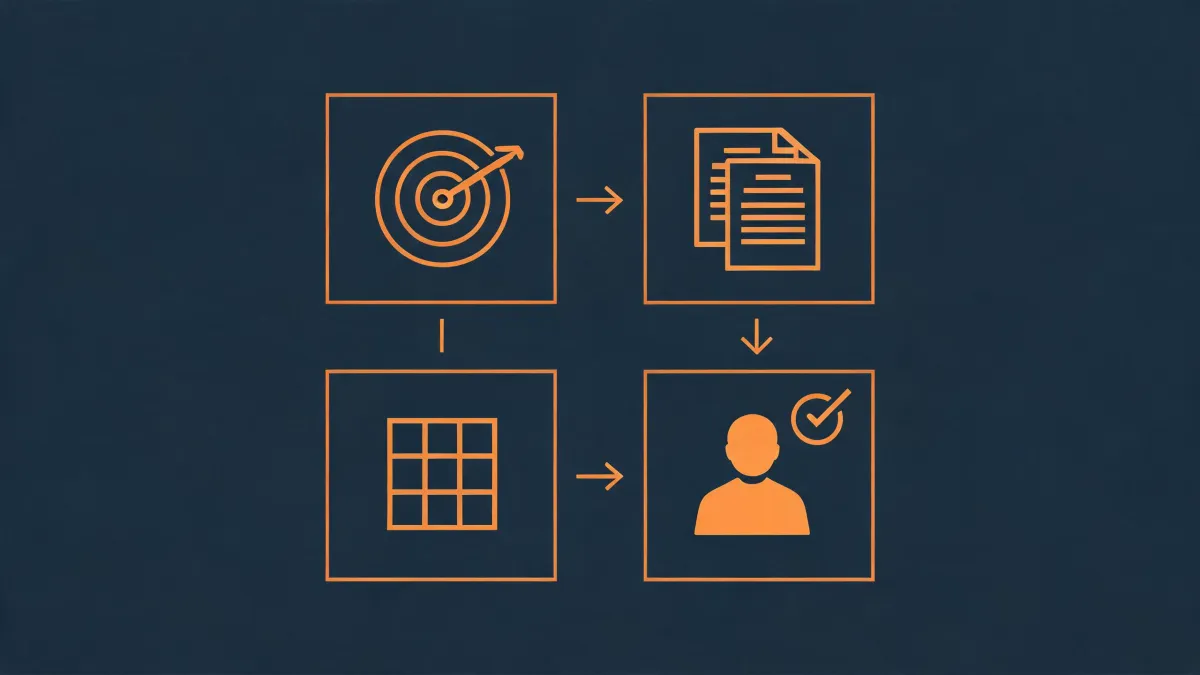
I don't want to pretend the fix is a tool. A tool can make verification easier, but only because it puts the check before the action. That's the architecture I look for in a sales stack.
I read the Nooks AI dialer healthcare case study when I was evaluating workflow tools for a compliance-heavy scenario. If I remember correctly, the team used Nooks to parallel dial a segmented list of healthcare leads, but the interesting part wasn't the dialing. It was the human-in-the-loop review step. The AI assistant qualified calls, flagged next steps, and put a live rep in the conversation before any real effort was spent. That's not a magical automation story. That's quality control.
According to Gartner's research on B2B buying, buyers spend far less of their purchase journey with suppliers than they did before the rise of digital self-serve research. That makes every unverified touch more expensive. You don't get many chances to be relevant.
For agencies, the difference between a call tool and an AI workflow matters because you're responsible for other people's spend. You need to know that a sequence won't send until a lead profile passes a checklist. That's where Nooks' data enrichment and company data API integration fits. The AI sales assistant doesn't just automate touches; it checks them against intent data and firmographics. It can't fix a bad list's content, but it can make sure the list you send from actually looks like someone your team should talk to.
Drip campaigns: what they are and when to use them
So what is a drip campaign, and when should a B2B sales team use it?
A drip campaign is an automated sequence of pre-written messages that go out on a schedule or based on a prospect's action. Usually email, sometimes combined with LinkedIn tasks or SMS. The word drip comes from the idea of watering a plant slowly—a little at a time, over a period.
Use a drip campaign when:
- A prospect requested a demo but didn't show up. A gentle 3-5 touch sequence over two weeks can bring them back without a call.
- A lead went dark after a positive call. A combined email and LinkedIn task keeps you visible without looking desperate.
- An account shows intent signals, like a spike in job posts or a competitor-related search. A short drip can route them to the right follow-up.
Don't use a drip campaign as the default way to break the ice on a cold list. That's not a drip; it's a blast. A drip campaign to unverified leads just automates the problem I've been describing. It makes bad data scale with discipline.
I still reject things. Last week I rejected a sequence that opened with I hope this email finds you well and a data-import trigger that had no verification gate. But the bigger win was making my team think like verifiers instead of senders. That's the cure.
The next time your team debates dialer features, ask a different question: how does this tool stop a bad message from going out? If the answer is it doesn't, the problem isn't the tool. It's the workflow.
