
If you're evaluating the Nooks HubSpot integration for your RevOps stack, start with email verifier features—not the parallel dialer. That sounds backwards. It isn't. A parallel dialer will happily work its way through 47 invalid leads before lunch if your HubSpot list is dirty. The dialer is a multiplier. Garbage in, louder garbage out.
I only believed email verification mattered after I ignored it and watched a campaign tank. So maybe this saves you the lesson I paid for.
I've been running sales tech procurement for B2B teams for seven years. I've personally made (and documented) 11 significant mistakes, totaling roughly $60,000 in wasted budget. Now I maintain our team's checklist. Most of those mistakes followed the same pattern: I was impressed by a new tool and skipped the boring data question.
The Mistake That Made Me Rethink Evaluation
In March 2024, we were rolling out a Nooks pilot. Setup was smooth. The Nooks HubSpot integration connected in an afternoon. The parallel dialer was fast—really fast. The problem wasn't the tool. It was the list.
I knew I should run a sample verification before we sent anything. But these contacts came from a 'vetted' data vendor, and I thought, 'What are the odds?' Well, the odds caught up. We sent to 2,400 HubSpot contacts. 22% bounced. That wasn't just 528 useless records. It was a week of domain reputation damage and a follow-up sequence that ended up in spam.
The numbers after the fact made it worse. That 47 number came from one small segment we checked after the damage. The full campaign had 528 hard bounces. The $2,300 estimate is conservative if you include the deliverability hit.
I should have asked the obvious question: is one week of pipeline worth a damaged sender reputation? The answer was obviously no, but I kept hoping the data was fine. It wasn't.
We also tried a cheaper verifier first. It claimed 95% accuracy. In a sample of 500, it marked 93% of addresses as valid. A second verifier found 31% of those same 500 were catch-all domains or dead mailboxes. That's when I learned to ask about methodology instead of marketing dashboards.
Here's the part that trips up most RevOps teams: an email can pass SMTP verification and still be undeliverable. Catch-all mail servers accept the message and then silently drop it. If your verifier treats catch-all as 'valid,' you won't see bounces. You'll just see lower reply rates and wonder why.
What Should Revenue Operations Teams Evaluate in Email Verifier Features
This is the checklist I now use. It's not about finding one 'best' tool. It's about finding a tool that fits your workflow.
- Verification method. Does it check syntax, domain, MX records, and SMTP mailbox existence? Or does it return a score? Scores hide the difference between 'mailbox exists' and 'mailbox might exist.'
- Catch-all handling. Ask whether catch-all domains are flagged as a separate category. If the tool labels them 'valid,' you're building a parallel dialer campaign on a lie.
- Role account and spam-trap flags. info@, sales@, and postmaster@ might technically exist. They still waste SDR time. Spam traps are worse.
- HubSpot property sync. Does the verifier write a status back to HubSpot? Does your Nooks HubSpot integration read that property? If not, your RevOps team is doing manual list hygiene in a workflow that should be automated.
- Enrichment order. If you're using a data enrichment tool, verify after enrichment, not before. Otherwise newly appended emails skip the check.
- API latency and batch limits. A parallel dialer can chew through hundreds of contacts quickly. If verification takes 24 hours, your SDRs will call stale data.
The catch-all issue is the one I see missed most. It's also the reason I don't trust single 'accuracy' numbers. A verifier that marks catch-all as valid can claim a 98% accuracy rate while silently passing thousands of undeliverable addresses. Ask for reason codes in a test file. If the vendor can't explain why an email is valid, keep looking.
I also ask vendors to back up accuracy claims. Per FTC guidance on advertising and marketing (ftc.gov), performance claims should be truthful and substantiated. A '99.8% accuracy' dashboard isn't enough if the methodology is hidden.
How I Compare Nooks AI Competitors Now
When I first looked at Nooks AI competitors, I compared dialer features: parallel call counts, local presence, AI call summaries, price per seat. The demos looked great. Then the same bad lists made every dialer look mediocre.
Now I start with the data flow. Where does a contact come from? What happens before the parallel dialer? Is there a verification step between enrichment and dialing? Does the platform include a human-in-the-loop review step, or is it fully automated? That last one matters for quality and compliance.
Every spreadsheet analysis pointed to a cheaper competitor. My gut said something was off—their support team took two days to answer a basic question. I went with my gut and chose Nooks. The competitor's implementation later turned into a three-week nightmare for a friend on another team. My gut was right, but it would have been a lot easier if I'd had a data-quality checklist to justify the decision.
The most telling moment in any demo is when I ask: 'What does this system do with a bad email from HubSpot?' In one competitor demo, the rep looked confused and said, 'we sync whatever is in HubSpot.' That ended the conversation. If a tool can't handle bad data, no parallel dialer speed will save it.
Nooks is built for AI sales prospecting: parallel dialer, LinkedIn automation, data enrichment, intent data, cold email. But for many teams, the real value isn't the fastest dialer. It's that the workflow connects HubSpot data, enrichment, and verification without a manual CSV dance. The AI agents can review call questions and customize outreach. None of that works if the record is dead.
Where the Nooks HubSpot Integration Fits (and Doesn't)
The Nooks HubSpot integration is a bridge, not a filter. It syncs contacts and activity between HubSpot and Nooks. If HubSpot has duplicates, old bounces, and no verification property, the integration just moves that mess into a faster machine.
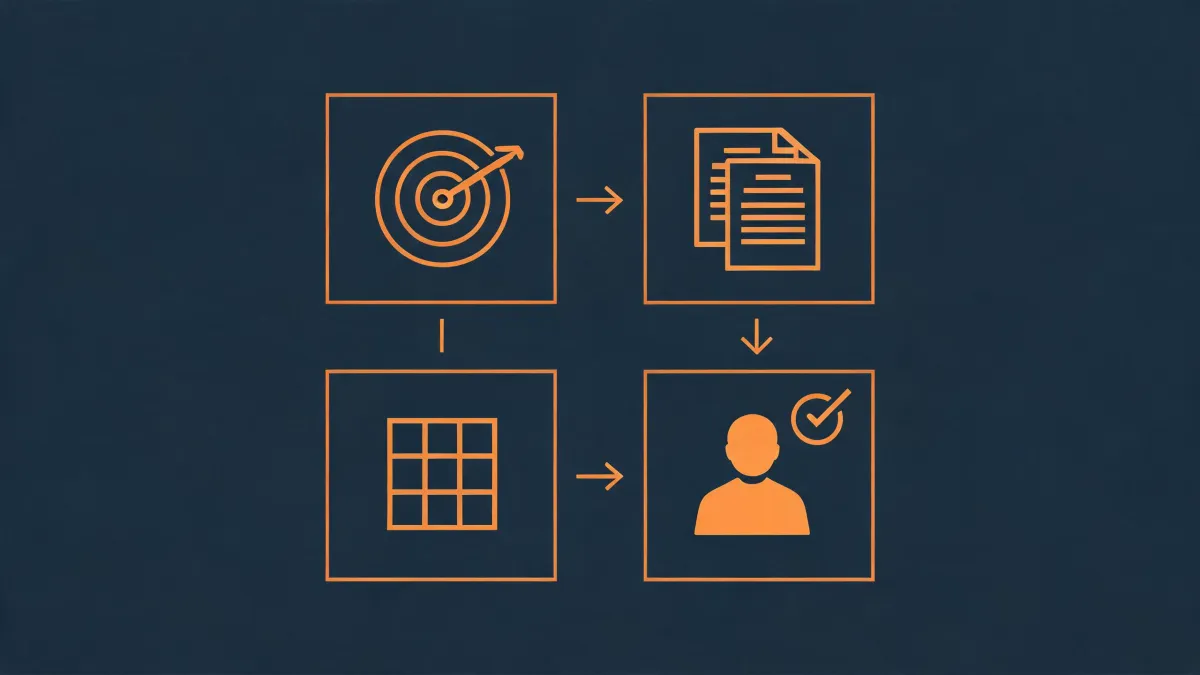
Here's a workflow that works for us:
- Contract data lands in HubSpot.
- A data enrichment tool fills missing fields.
- Email verifier flags hard bounces, catch-all domains, and role accounts.
- Verified status syncs back to a HubSpot property.
- Then Nooks parallel dialer works the verified segment.
Enrichment without verification is just adding new guesses to your old guesses.
The order matters. If you verify first and then enrich, newly added emails skip the check. If you enrich first and verify after, your parallel dialer runs on clean data.
Honest Limitations
I want to be clear about where this advice doesn't apply. If your list is 100% first-party and collected through double opt-in, email verification is less urgent. If you send 50 personal emails per day, a simple verifier plus manual review might be enough. If your CRM is a spreadsheet, the Nooks HubSpot integration won't fix that.
There's no universal 'best' tool. I recommend Nooks for high-velocity outbound teams that need parallel dialing plus integrated data flow. If your team isn't ready to maintain a data-quality checklist, a better tool won't save you. And if your business depends on a different kind of outreach, a simpler dialer could be a better fit.
I also can't promise that any verifier will hit a specific accuracy rate. The providers change their methods. Email servers change their defenses. What I can promise is that asking the questions above will separate tools that care about data from tools that just want to look good in demos.
I still don't trust verification scores by themselves. But I now trust a workflow that checks every address before it hits a parallel dialer. That's the checklist I wish I'd had in March 2024.
